10 Profitable Referral Program Ideas for Shopify Stores in 2025
Jan 1, 2026
|
Published
Traditional referral programs often rely on margin-eroding discounts and confusing points systems that fail to build long-term loyalty. This outdated model trains customers to wait for the next sale, shrinking your profits with every new referral. The secret to sustainable growth isn't just acquiring new customers- it's acquiring the right customers in a way that boosts both Average Order Value (AOV) and Lifetime Value (LTV) from day one.
This isn't just another list of generic referral program ideas. It's a strategic playbook for modern Shopify merchants ready to move beyond the coupon code. We'll show you how to leverage native Shopify store credit to create a more powerful, profitable, and customer-centric referral engine. Store credit acts like cash in your store, encouraging larger purchases and repeat visits without devaluing your brand.
In this guide, we'll break down 10 actionable strategies that transform your referral program into a high-performance growth channel. You will learn how to:
Structure incentives that increase AOV on the very first referred purchase.
Motivate advocates with tiered rewards that scale with their success.
Drive repeat business by making store credit the core of your loyalty ecosystem.
Each idea is designed for simple implementation and maximum impact, turning your existing customers into your most effective marketing asset. Get ready to build a referral program that not only acquires new shoppers but also cultivates more valuable, long-term customer relationships.
1. Two-Sided Store Credit Rewards
This is one of the most powerful and intuitive referral program ideas because it creates a win-win scenario for both your existing customer (the Advocate) and the new customer they refer (the Friend). The concept is simple: when the Friend makes their first purchase using a referral link, both parties receive a reward in the form of store credit, which is added directly to their customer accounts. This method swaps confusing points and margin-eroding discounts for a tangible, cash-like incentive that encourages immediate and future spending.
By using a native Shopify store credit system like Redeemly, the reward feels less like a coupon and more like a gift card balance, which has a higher perceived value. This approach was famously used by Dropbox to achieve explosive growth, rewarding both the referrer and the new user with extra storage space. Similarly, DTC brands can leverage this to turn loyal customers into their most effective acquisition channel.

Why It Drives Growth
A two-sided store credit reward directly impacts both customer acquisition and retention. The Friend gets an immediate incentive to make their first purchase, reducing friction and boosting conversion rates. The Advocate is motivated to share because they earn a balance they can use on future orders, directly increasing their lifetime value (LTV). Since store credit must be spent in your store, it guarantees a repeat purchase and often leads to a higher Average Order Value (AOV) as customers are willing to spend more when using their "free" credit.
How to Implement It
Set Clear Reward Values: Offer a compelling amount, such as "$15 for you, $15 for your friend." Consider making the Advocate's reward slightly higher ($20 for them, $15 for the Friend) to maximize their motivation to share.
Require a Verified Purchase: Configure your program so the Advocate only receives their credit after their referred Friend completes a purchase. This prevents fraud and ensures you're rewarding actual new business.
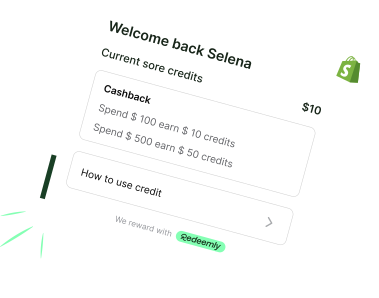
Promote It Everywhere: Display the referral credit balance prominently in customer account pages. Use email reminders to notify Advocates when their credit is available, encouraging them to return and shop.
Pro Tip: Two-sided store credit programs excel because they build a self-sustaining growth loop. New customers acquired through referrals are often more loyal and have a higher LTV than those from other channels, and they are more likely to become referrers themselves. For a deeper dive into the mechanics, explore this guide on how store credit works as a loyalty tool.
2. Accelerated Earning for Referral Purchasers
This referral program idea supercharges the incentive for the referred Friend by offering them a temporarily boosted store credit earn rate on their first purchase. Instead of the standard loyalty earn rate (e.g., 2% credit back), a newly referred customer might earn 5%, 10%, or even 15% back in store credit on their initial order. This approach creates a powerful sense of urgency and exclusivity, encouraging the Friend to maximize their first transaction to lock in a higher reward.
This mechanic transforms a standard referral into an elevated introductory experience. Rather than just a one-off discount, it introduces the new customer to your loyalty ecosystem on day one with a significant, tangible reward. It immediately demonstrates the value of shopping with your brand and sets a strong precedent for future engagement, all while avoiding margin-eroding upfront discounts. The goal is to make their first purchase feel like a strategic investment in their future relationship with your store.
Why It Drives Growth
Accelerated earning directly targets and boosts Average Order Value (AOV) from the very first interaction. When new customers know they’ll get 10% back in store credit instead of the usual 2%, they are highly motivated to add more items to their cart to maximize their "free" credit balance. This front-loads their loyalty account with a meaningful sum, which drastically increases the likelihood of a second purchase. The Advocate also benefits, as their reward is tied to a larger, more confident initial purchase from their Friend.
How to Implement It
Set a Limited-Time Elevated Rate: Clearly define that the accelerated rate (e.g., 10% credit back) applies only to the Friend's first purchase. This creates urgency and manages program costs effectively.
Communicate the Value Proposition: Use clear messaging like, "As a referred friend, you get 5x the normal store credit on your first order!" This highlights the exclusivity and value of the offer.
Show Credit Accumulation in Real-Time: Use a floating wallet widget to visually display the store credit balance growing as the new customer adds items to their cart. This gamifies the experience and encourages a higher AOV.
Send a Post-Purchase "Credit Available" Email: Immediately after the first purchase, notify the new customer of their earned credit balance and remind them it’s ready to be used on their next order, closing the loop and encouraging a quick return.
Pro Tip: The magic of accelerated earning is that it shifts the new customer's mindset from "How can I save money now?" to "How can I earn more for later?" This is a fundamental pillar of building long-term LTV and is one of the most effective referral program ideas for establishing loyalty from the first click.
3. Credit Stacking for Social Sharing
This gamified approach transforms your referral program from a passive tool into an active, viral engine. The core concept is to reward Advocates with small, incremental amounts of store credit for sharing their unique referral link across various channels like social media, email, or messaging apps. Unlike traditional referral program ideas that only reward conversions, this method incentivizes the act of sharing itself, dramatically increasing the visibility of your brand and maximizing the potential for new customer acquisition.
This strategy keeps your existing customers engaged in the referral process long after their first share. By offering a "stackable" bonus for each platform they post on, you encourage widespread distribution and tap into different social circles. This micro-incentive model creates a low-friction way for customers to build up their store credit balance, motivating them to become proactive brand champions without solely depending on successful conversions from friends.

Why It Drives Growth
Credit stacking for social sharing directly boosts your viral coefficient by rewarding top-of-funnel activity. While a referral conversion is the ultimate goal, rewarding the share itself guarantees brand exposure. This increased reach generates more inbound traffic and potential leads. For the Advocate, this system feels rewarding and interactive, strengthening their loyalty as they watch their store credit balance grow. This accumulated credit encourages them to return for another purchase, positively impacting both customer retention and Lifetime Value (LTV).
How to Implement It
Set Modest Share Bonuses: Offer small credit amounts for each share (e.g., "$0.50 for a Twitter share, $1.00 for a Facebook post"). This keeps the incentive attractive without devaluing the larger reward for a successful conversion.
Cap the Total Bonus: To prevent abuse, limit the total amount of share-based credit a single customer can earn per day or per campaign. This ensures the program remains cost-effective.
Provide Sharing Templates: Make it effortless for customers by providing pre-written messages and branded images. You can also integrate tools from the many Shopify testimonial apps for social proof to amplify the impact of these shares.
Require a Purchase History: Gate this feature to verified customers with at least one completed purchase to ensure you are rewarding genuine brand fans rather than opportunistic users.
Pro Tip: Use this strategy to create buzz during key sales periods or product launches. Announce a "double credit" event for social shares to get an instant surge of user-generated promotion. This turns your customer base into a highly motivated, on-demand marketing team.
4. Tiered Referral Milestones with Escalating Rewards
This gamified approach transforms a standard referral program into a compelling challenge, motivating your most engaged customers to become super-advocates. Instead of a flat reward, this is one of the more advanced referral program ideas where customers unlock progressively larger store credit rewards as they reach specific referral milestones. For example, their first successful referral might earn them $10 in credit, but reaching five referrals could unlock a total of $75, making each subsequent share more valuable than the last.
This model leverages psychological motivators like goal-setting and achievement, turning referrals into an exciting and repeatable activity. It was famously used by companies like Uber and Lyft, which offered escalating bonuses to drivers for referring other drivers who completed a certain number of trips. For DTC brands, this strategy creates a powerful incentive for continuous sharing, identifying and rewarding your most influential brand evangelists without eroding margins on one-off referrals.

Why It Drives Growth
A tiered system hyper-motivates your top 10-20% of customers who have the potential to drive the majority of your referral revenue. The escalating rewards directly boost their engagement and loyalty, significantly increasing their lifetime value (LTV) as they accumulate and spend more store credit. This structure also creates a predictable cost-per-acquisition model, as you only pay out larger rewards for proven, high-volume referrers. The earned credit encourages repeat purchases and often leads to a higher Average Order Value (AOV) since customers view it as "house money."
How to Implement It
Design Achievable Tiers: Set clear milestones that feel within reach. For example: Tier 1 (1 referral) = $10 credit; Tier 2 (3 referrals) = an additional $25 credit; Tier 3 (5 referrals) = an additional $40 credit.
Visualize Progress: Display a progress bar or milestone tracker in the customer’s account dashboard. Visual cues are critical for showing them how close they are to the next reward, which encourages them to keep sharing.
Automate Milestone Notifications: Use automated emails to celebrate when a customer reaches a new tier and to remind them of the next reward they can unlock. A message like, "You're just two referrals away from your next $25 credit!" can reignite their motivation.
Pro Tip: Structure your tiers so that even moderately engaged customers can reach the first level, creating an initial sense of accomplishment. The higher tiers should be designed to reward your true brand champions. To learn more about structuring these levels, explore this guide on designing effective loyalty program tiers.
5. Exclusive Early Access Rewards with Store Credit Bonus
This is one of the more creative referral program ideas that combines aspirational rewards with tangible monetary value. The concept leverages your customers' desire for exclusivity by granting successful referrers early access to new product drops, sales, or limited-edition collections. To sweeten the deal, you add a store credit bonus, creating a powerful incentive that appeals to both brand superfans and practical shoppers. This method swaps generic discounts for a high-value, exclusive experience that strengthens brand loyalty.
By pairing early access with a native Shopify store credit system, the reward feels more like a VIP perk than a simple transaction. It creates a sense of an inner circle, a strategy used effectively by brands like Glossier and Allbirds to build community and hype around new releases. For DTC merchants, this turns your most engaged customers into powerful advocates who are motivated by both status and spending power.
Why It Drives Growth
Exclusive early access directly targets customer retention and increases Lifetime Value (LTV). The allure of being "first" motivates Advocates to share consistently, especially ahead of anticipated launches. When they succeed, they not only get to shop early but also receive store credit, which guarantees a repeat purchase and often leads to a higher Average Order Value (AOV) as they combine their credit with a new, full-price item. This approach builds an emotional connection, making customers feel valued and part of the brand's journey, which is far more powerful than a simple percentage-off coupon.
How to Implement It
Define Clear Triggers: Set the rule that a successful referral (i.e., their Friend makes a purchase) unlocks early access for the Advocate. Add a compelling store credit amount like $15 or $20 to the reward.
Create Exclusivity Windows: Grant access 24-48 hours before the general public. Use your e-commerce platform's customer tagging features to segment referrers and create password-protected pages or exclusive email links.
Amplify the Hype: Promote upcoming launches to your entire audience, but remind your referral program members that they can get early access by referring a friend. Emphasize the scarcity and exclusivity in your marketing copy.
Pro Tip: Combine early access with limited-quantity SKUs available only to the referral group. This not only rewards your best advocates but also provides valuable data on which new products resonate most with your core customer base before a wider launch.
6. Birthday and Milestone-Triggered Referral Bonuses
This is a highly personalized and emotionally resonant referral program idea that capitalizes on key moments in the customer lifecycle. The concept involves offering an amplified referral reward, such as 2x or 3x the standard store credit, during a customer's birthday month, sign-up anniversary, or other significant milestones. This strategy leverages psychological triggers like reciprocity and celebration to boost referral activity when customers feel most connected to your brand.
By timing a more generous incentive with a positive personal event, you transform a transactional request into a celebratory offer. Instead of just asking for a referral, you're giving the customer an enhanced way to earn credit as part of their special occasion. This approach moves beyond generic promotions and creates a memorable brand interaction that fosters genuine loyalty and advocacy.
Why It Drives Growth
Milestone-triggered bonuses directly impact customer engagement and acquisition by creating a sense of urgency and special treatment. The limited-time nature of the bonus (e.g., "for your birthday month only") encourages immediate action. This not only increases the number of referrals sent but also strengthens the emotional bond with the Advocate, making them feel valued. This goodwill often translates into higher LTV, as a happy, celebrated customer is more likely to make future purchases and continue advocating for your brand long after the bonus period ends.
How to Implement It
Capture Key Dates: Collect customer birthdates during the account creation process or offer a small store credit incentive for them to add it to their profile later. Track their "customer since" date automatically.
Automate Milestone Communication: Set up automated email or SMS flows to trigger 2-3 weeks before the milestone. Use celebratory subject lines like, "A Birthday Bonus Just for You!" to grab their attention.
Amplify the Reward Clearly: Make the offer irresistible. Instead of "Refer a friend," frame it as "Celebrate your birthday & get $30 store credit for every friend who joins!" State the amplified value clearly and make the referral link easy to find and share.
Combine with a Gift: For maximum impact, pair the referral bonus with a small, no-strings-attached birthday gift of store credit. This initial gift deepens the feeling of reciprocity, making them even more motivated to share.
Pro Tip: This tactic is incredibly effective because it aligns your brand's growth goals with a customer's personal celebration. It's a powerful way to show appreciation that feels authentic, not just promotional. To explore how these moments fit into a broader strategy, see these insights on loyalty programs for customer retention.
7. Referral Credit Matching (Merchant Co-investment)
This innovative referral tactic positions your brand as a partner in your customers' success by matching a portion of the referral credit they earn. Think of it like a 401(k) employer match: when an Advocate earns a $15 credit for a successful referral, you add a bonus match, say $5, on top. This co-investment boosts the total reward, making it feel significantly more generous while controlling your customer acquisition cost. It’s a powerful psychological tool that frames your brand as invested in rewarding loyalty.
By amplifying the reward, you turn a standard incentive into a standout offer. Instead of just giving a flat rate, you're actively contributing alongside your customer, which strengthens their connection to your brand. This method is brilliant for DTC merchants wanting to enhance their referral program ideas without simply increasing the base reward, thereby creating more perceived value and goodwill.
Why It Drives Growth
Referral credit matching supercharges Advocate motivation. The "bonus" credit from the merchant feels like an extra gift, encouraging more frequent sharing and turning passive customers into active brand champions. This directly impacts acquisition rates. More importantly, it inflates the Advocate's store credit balance at a lower cost to you, which drives higher lifetime value (LTV) and encourages larger subsequent purchases. A bigger credit balance often leads to a higher Average Order Value (AOV) as customers feel justified in adding more to their cart.
How to Implement It
Define Your Match Ratio: Start conservatively with a 25% or 50% match. For example, if the Advocate earns a $20 credit, you can add a $5 or $10 bonus. This keeps the program profitable while still feeling substantial.
Frame It as a Gift: Use language like "We'll match it!" or "Here's an extra $5 on us" in your referral program messaging. This highlights your contribution and makes the reward feel more special than a simple discount.
Set Clear Limits: To manage your budget, consider limiting the match to the first few successful referrals per customer per year. This encourages high-value referrers without creating runaway costs.
Promote the "Total Reward": In your marketing, advertise the combined total. Instead of saying "Earn $15," say "Earn up to $20 in credit," making the offer more compelling at first glance.
Pro Tip: Position the merchant match as an exclusive perk for your best customers. This strategy not only drives referrals but also elevates your loyalty program, making Advocates feel recognized and valued for their contribution to your brand's growth.
8. Referral Credit Expiration with Urgency Incentives
One of the most underutilized referral program ideas is adding a strategic expiration date to earned store credit. This tactic introduces urgency, transforming passive credit balances into active purchase drivers. The concept is simple: when an Advocate earns referral credit, it comes with a defined lifespan (e.g., 60-90 days). This "use-it-or-lose-it" approach combats credit hoarding and creates predictable spending windows, motivating customers to return and redeem their rewards before they disappear.
This strategy is widely used by major brands like airlines with frequent flyer miles and retailers like Costco with their cash cards. The goal isn't to penalize customers but to create a gentle nudge that pulls them back into the buying cycle. By framing the expiration as a limited-time opportunity, you can significantly increase redemption rates and drive more consistent repeat purchases, which directly boosts customer lifetime value (LTV).
Why It Drives Growth
Referral credit expiration directly influences repeat purchase rate and shortens the time between orders. The sense of urgency combats customer inertia, prompting Advocates to browse your store for ways to spend their earned credit. This leads to more frequent store visits and often results in a higher Average Order Value (AOV), as customers are more willing to add items to their cart to take full advantage of their "free" credit balance. It also provides predictable data on redemption, helping you forecast revenue and manage inventory more effectively.
How to Implement It
Set a Fair Timeframe: Choose a reasonable expiration period, such as 60 or 90 days. This gives customers ample time to shop without feeling overly pressured.
Automate Expiration Reminders: Create an email sequence that alerts customers when their credit is about to expire. Send reminders at 30, 14, 7, and 1 day out to maximize visibility and encourage action.
Frame It as an Opportunity: Use positive language in your messaging. Instead of "Your credit is expiring," try "Your $20 reward is waiting! Use it before it's gone." This positions the credit as an exclusive, time-sensitive perk.
Pro Tip: Make the expiration date highly visible in the customer's account dashboard and within all email communications. Transparency is key to maintaining goodwill. Consider offering a small bonus, like an extra 10% credit, for customers who redeem within the final week to create a powerful last-minute incentive.
9. Influencer and Community Leader Referral Tiers
Not all referrers are created equal. This advanced referral program idea moves beyond a one-size-fits-all model by creating an exclusive, tiered system for your most influential customers and brand advocates. The core concept is to identify your top-performing referrers, or "power users," and elevate them to an ambassador or VIP status, offering them significantly better rewards, exclusive perks, and a closer relationship with your brand. This transforms your most enthusiastic customers into a powerful, formalized marketing force.
Instead of offering everyone the same "$10 for you, $10 for a friend," this strategy might offer a standard reward for regular customers and a premium reward, like 15-20% of the referred sale back in store credit, for verified ambassadors. Brands like Glossier and Fashion Nova have mastered this by building tiered affiliate and ambassador programs that recognize and incentivize their most impactful community members, creating a scalable and authentic influencer marketing channel directly from their customer base.
Why It Drives Growth
A tiered system supercharges your most valuable acquisition channel by directly motivating your best advocates. By offering higher store credit commissions, you encourage top referrers to promote your brand more actively, significantly increasing their referral volume and their own lifetime value. These ambassadors often have dedicated followings and produce high-quality user-generated content, driving highly qualified traffic. Their authentic endorsement is more powerful than traditional ads, leading to higher conversion rates and acquiring new customers who already have a high level of trust in your brand.
How to Implement It
Set Tiers and Milestones: Automatically invite customers to the VIP tier after they complete a certain number of successful referrals (e.g., 10+). Alternatively, create a simple application page for self-nominated brand enthusiasts.
Offer Premium Rewards: Make the VIP rewards substantially better. Instead of a flat store credit amount, offer a percentage of the referred sale (e.g., 20%) as store credit, motivating them to drive higher AOV orders.
Equip Them for Success: Create a resource hub for your ambassadors with branded assets, swipe copy for social media, and product information. Provide them with early access to new products to generate authentic reviews and buzz.
Pro Tip: Foster a sense of community by creating an exclusive Slack or Discord channel for your VIP referrers. This allows you to communicate directly, gather valuable feedback, and run special contests or bonus reward campaigns, making them feel like true brand insiders.
10. Referral Credit Pools and Referral Teams
This is one of the more innovative referral program ideas that leverages social proof and community to drive acquisition. Instead of individual rewards, this model allows customers to form small "teams" or "pools" that share a collective referral link. All store credit earned from their group's referrals is pooled together, unlocking larger rewards or shared benefits once the team hits specific milestones. This gamifies the referral process through collaboration and shared goals, turning individual advocates into a unified, highly motivated marketing force.
The power of this concept lies in its ability to create network effects. Much like Kickstarter's community-based funding teams or Dropbox's early team-sharing incentives, it fosters social accountability. When a customer joins a team, they are not just referring for their own benefit, but for the good of their group. This small shift in framing can dramatically increase participation and the overall volume of referrals generated.
Why It Drives Growth
Referral teams directly boost customer acquisition by multiplying the reach of each advocate. The collaborative goal encourages team members to share more frequently and strategically to hit their targets. This model also significantly enhances customer engagement and retention. Customers feel a stronger connection to your brand and to each other, building a loyal community. As teams reach milestones and unlock bonus credit, it drives repeat purchases and can lead to a substantial increase in both Lifetime Value (LTV) and Average Order Value (AOV) as members coordinate to spend their collective rewards.
How to Implement It
Define Team Structure: Start with simple 2-5 person teams to keep management easy. Set clear, achievable milestones, such as "$50 in team credit unlocks a 10% bonus for everyone."
Create a Team Dashboard: Give customers a simple interface within their account page to create a team, invite friends, and track collective progress. This transparency is key to maintaining motivation.
Promote Team Progress: Use automated emails to send weekly updates to each team, highlighting their total earned credit, top contributors, and how close they are to the next reward milestone.
Pro Tip: Foster friendly competition by introducing a leaderboard that showcases the top-performing referral teams each month. Offering an exclusive store credit bonus to the winning team can ignite a powerful and self-sustaining referral engine driven by your most passionate customers.
10 Referral Program Ideas — Side-by-Side Comparison
Mechanic | Implementation complexity 🔄 | Resource requirements ⚡ | Expected outcomes 📊 | Ideal use cases 💡 | Key advantages ⭐ |
|---|---|---|---|---|---|
Two-Sided Store Credit Rewards | 🔄 Medium — dual credit tracking & fraud checks | ⚡ Moderate dev + support; leverages Redeemly native | 📊 High — improves acquisition and retention; high redemption | 💡 Brands wanting simultaneous acquisition + retention | ⭐⭐⭐⭐ — high perceived value; margin-friendly |
Accelerated Earning for Referral Purchasers | 🔄 Medium — configurable earn rates & checkout UI | ⚡ Low–Medium dev; marketing communication effort | 📊 High — increases AOV on first purchase; faster ROI on CAC | 💡 New-customer acquisition; boost first-order size | ⭐⭐⭐⭐ — strong first impression; drives larger orders |
Credit Stacking for Social Sharing | 🔄 High — multi-channel tracking and validation | ⚡ Medium–High (tracking pixels, analytics, fraud controls) | 📊 Medium — more shares/awareness; variable conversion | 💡 Social-first brands aiming for viral reach | ⭐⭐⭐ — rewards sharing effort; increases organic reach |
Tiered Referral Milestones with Escalating Rewards | 🔄 Medium–High — milestone tracking and progress UI | ⚡ Medium (dashboards, tiers, automation) | 📊 High — sustained engagement; identifies top advocates | 💡 Brands seeking gamification and long-term advocacy | ⭐⭐⭐⭐ — predictable payouts; motivates repeat referrals |
Exclusive Early Access + Store Credit Bonus | 🔄 Medium — requires product/merch coordination | ⚡ Medium (merchandising + credit issuance) | 📊 Medium–High — drives early spend; aids inventory planning | 💡 Limited drops, product launches, aspirational brands | ⭐⭐⭐ — combines status with spend; increases conversion |
Birthday & Milestone-Triggered Referral Bonuses | 🔄 Low–Medium — data capture + timed triggers | ⚡ Low (email automation, triggers) | 📊 Medium — seasonal spikes; higher engagement windows | 💡 Personalization-focused retention strategies | ⭐⭐⭐ — leverages emotional moments; low cost to run |
Referral Credit Matching (Merchant Co-investment) | 🔄 Low–Medium — matching rules and display copy | ⚡ Medium budget + config; clear comms needed | 📊 High — perceived higher reward value; increased uptake | 💡 Brands that can allocate matching budget to boost signups | ⭐⭐⭐⭐ — feels generous; increases participation cost‑efficiently |
Referral Credit Expiration with Urgency Incentives | 🔄 Low — expiration rules + reminder cadence | ⚡ Low–Medium (notifications, wallet UI) | 📊 High — faster redemptions; improved unit economics | 💡 Merchants needing liability management and repeat purchases | ⭐⭐⭐⭐ — reduces credit liability; drives urgency |
Influencer & Community Leader Referral Tiers | 🔄 High — identification, invite flows, relationship mgmt | ⚡ High (management, assets, exclusive benefits) | 📊 High — authentic advocacy; strong ROI from top referrers | 💡 Brands targeting ambassadors and influencer growth | ⭐⭐⭐⭐ — concentrates rewards on high-ROI advocates |
Referral Credit Pools & Referral Teams | 🔄 High — team creation, pooled accounting, dispute handling | ⚡ High (dev, support, dashboards) | 📊 Medium–High — group virality; social stickiness | 💡 Community-driven products, educational or campus networks | ⭐⭐⭐ — amplifies network effects; socially engaging |
From Ideas to Implementation: Building Your LTV-Focused Referral Engine
We've explored a wide spectrum of powerful referral program ideas, moving far beyond the generic "give $10, get $10" model. From tiered milestones and exclusive access to referral credit pools and influencer tiers, the central theme is clear: a successful referral program is not an afterthought. It is a meticulously crafted, margin-friendly engine designed to acquire high-value customers and, more importantly, retain them.
The common thread weaving through all these strategies is the strategic pivot away from fleeting discount codes and complex point systems. Instead, they embrace the simplicity and perceived value of native Shopify store credit. This shift is fundamental. Store credit feels less like a promotional gimmick and more like a cash balance waiting to be spent, which is a powerful psychological incentive that directly encourages repeat purchases and higher average order values.
The Shift from Transactions to Relationships
The ultimate goal of these referral program ideas is to transform your customer acquisition funnel into a self-sustaining community loop. You're not just buying a new customer with a discount; you are investing in a relationship. The advocate is rewarded with a tangible asset (store credit) that brings them back to your store, and the new customer they refer is immediately integrated into your loyalty ecosystem with a balance of their own.
This approach creates a powerful flywheel effect:
Higher AOV: Customers using store credit are more likely to treat it as "house money," often spending beyond the credit amount to get the product they truly want.
Increased LTV: By incentivizing repeat purchases, you extend the customer lifecycle and increase their total spend over time.
Stronger Brand Advocacy: A rewarding and easy-to-use program turns satisfied customers into proactive brand champions who feel genuinely valued.
Your Actionable Blueprint for Referral Success
Feeling inspired is one thing; taking action is what drives growth. The difference between a list of ideas and a profitable referral channel lies in deliberate implementation and measurement. Don't let analysis paralysis stop you. Your path forward is straightforward.
First, choose one or two ideas from this list that resonate most with your brand ethos and customer behavior. Do you have a highly engaged community perfect for Referral Teams? Or a product line that would benefit from the urgency of Credit Expiration Incentives? Start small and focused.
Next, define your success metrics. Before you launch, know what you're aiming for. Key performance indicators should include your referral conversion rate, the average order value of referred customers, and, most critically, their repeat purchase rate. At the heart of building a truly effective referral engine is mastering Customer Lifetime Value analysis to ensure your strategies are driving long-term profitability. Tracking LTV will confirm that you are acquiring customers who stick around, not just one-time bargain hunters.
Finally, communicate with clarity. The most brilliant program will fail if customers don't understand it. Use clear, concise messaging on your website, in post-purchase emails, and on social media to explain exactly how the program works and what the benefits are. Make participation effortless.
The referral program ideas outlined here are more than just tactics; they are blueprints for building a more resilient, profitable, and community-driven DTC brand. By prioritizing store credit and focusing relentlessly on LTV, you can move beyond the endless cycle of discounts and build an asset that pays dividends for years to come.
Ready to turn these referral program ideas into a powerful, automated engine for your Shopify store? Redeemly makes it simple to launch and manage a native store credit loyalty and referral program without the bloat of complex apps. Start building your LTV-focused referral machine today at Redeemly.


Join 7000+ brands using our apps